
Lung cancer develops when abnormal cells grow into a mass within the lungs, often forming a tumor or nodule that interferes with normal lung function. While smoking and exposure to secondhand smoke remain leading risk factors, lung cancer can also develop due to exposure to harmful substances such as asbestos or certain industrial chemicals. Age and family history may further increase risk, making careful evaluation and appropriate screening especially important for individuals with known risk factors.

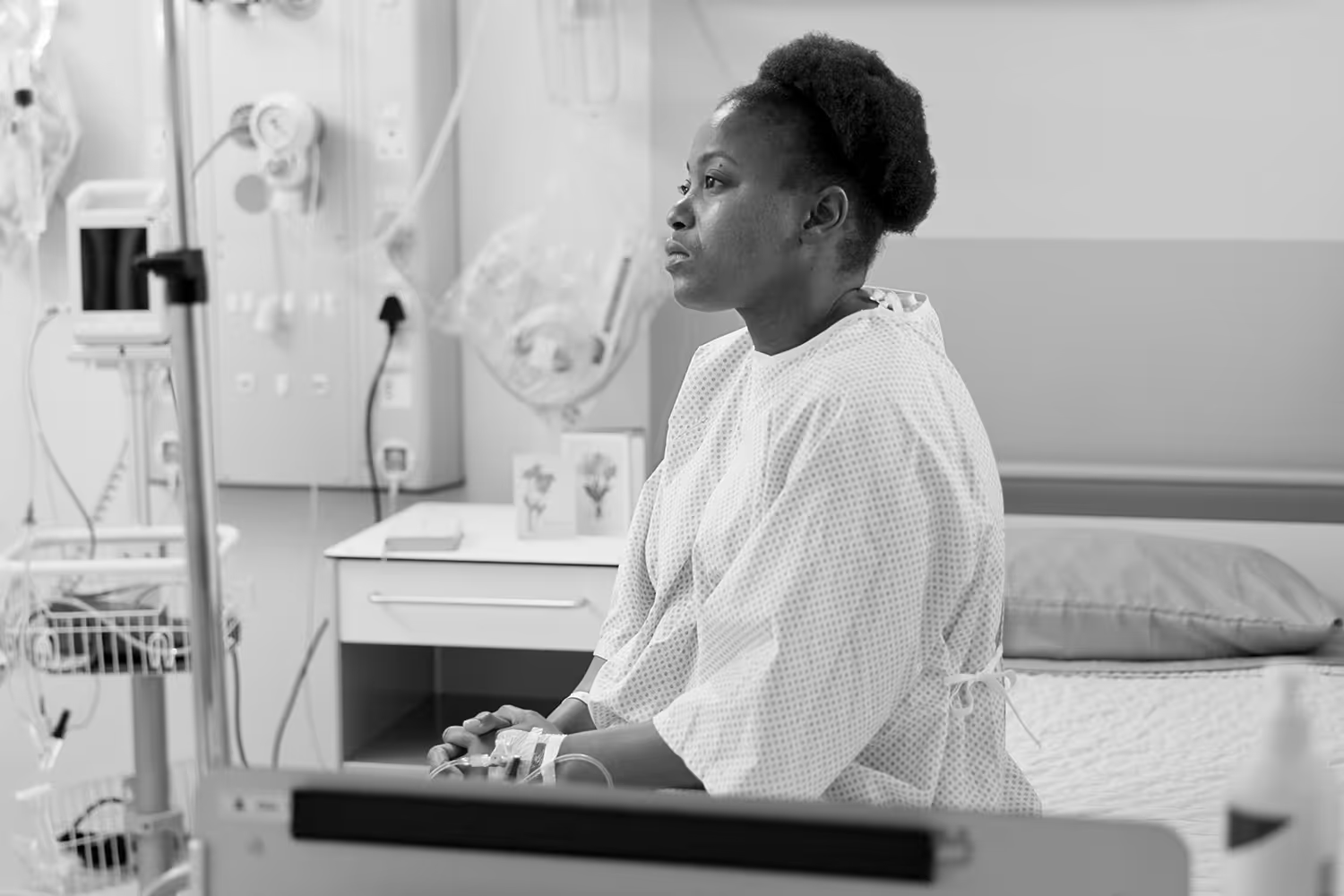
Symptoms of lung cancer can be subtle at first and may resemble less serious respiratory conditions. Persistent cough, shortness of breath, chest pain, coughing up blood, unexplained weight loss, fatigue, or recurring lung infections may be overlooked or misattributed to other causes. When warning signs are not taken seriously or diagnostic testing is delayed, lung cancer may progress undetected, limiting treatment options and negatively affecting outcomes.
Early detection of lung cancer often depends on appropriate screening and diagnostic testing, particularly for individuals with known risk factors. Diagnostic tools may include low-dose CT scans, diagnostic CT imaging, chest X-rays, and additional procedures such as bronchoscopy or biopsy to examine lung tissue for abnormal cells. When these tools are used correctly and in a timely manner, they can significantly improve the chances of early diagnosis.
Lung cancer misdiagnosis or delayed diagnosis frequently occurs due to preventable errors in care, including:
When lung cancer is diagnosed at a later stage, treatment often becomes more complex and less effective. Advanced disease may require aggressive combinations of surgery, chemotherapy, radiation, or targeted therapies, and survival rates decline as the cancer spreads. Earlier diagnosis can expand treatment options and improve both prognosis and quality of life.
What to Expect
VIEW
( 01 )