
Prostate cancer develops in the tissues of the prostate gland and is one of the most commonly diagnosed cancers among men. While it is more frequently diagnosed later in life, prostate cancer can also affect younger men, particularly those with certain risk factors. When detected early, prostate cancer is often highly treatable, and many patients have favorable long-term outcomes. Delayed diagnosis, however, can allow the disease to progress beyond the prostate, making treatment more complex and outcomes less certain.
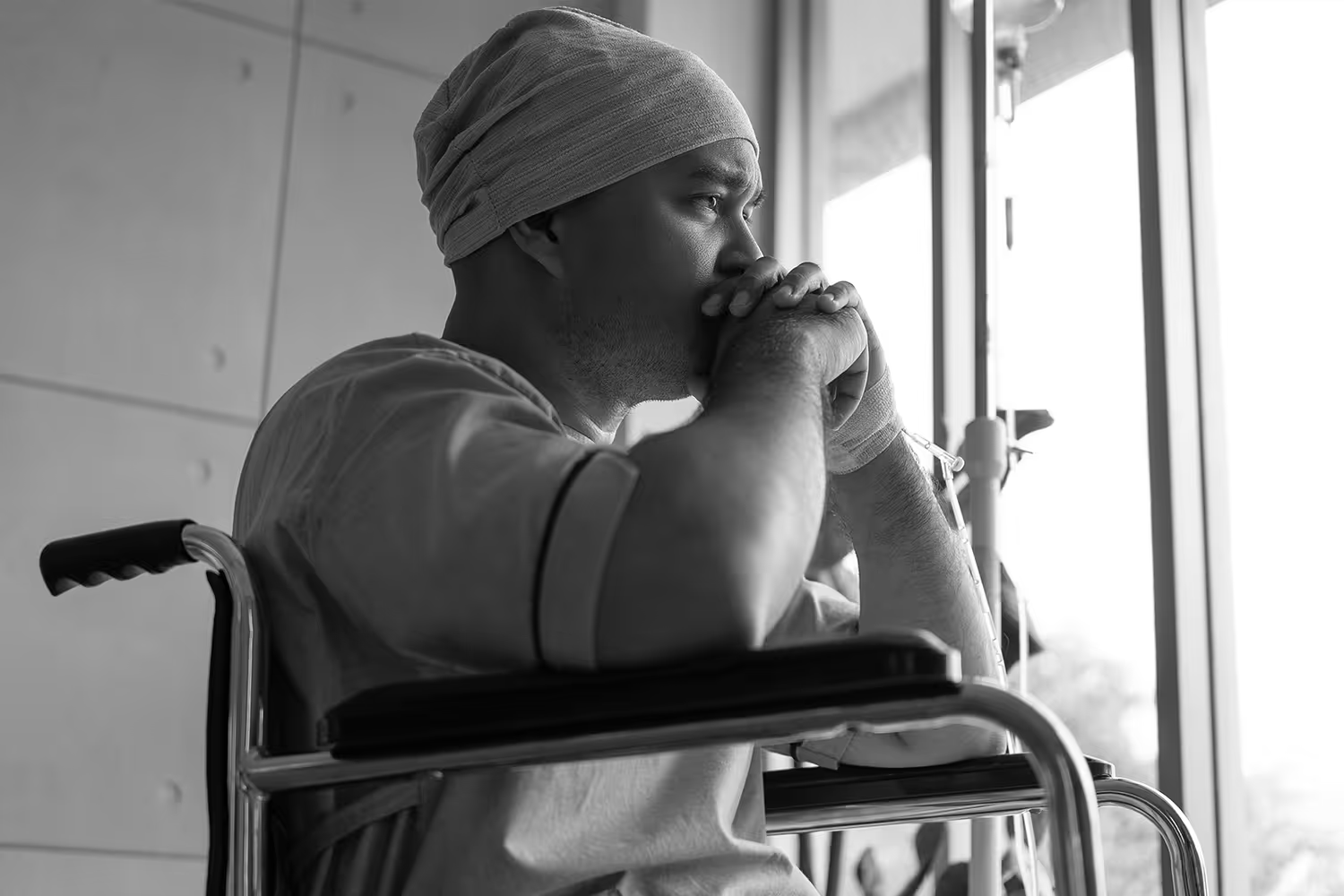

Prostate cancer may cause symptoms such as urinary difficulties, changes in sexual function, blood in the urine, or persistent pain in the hips, back, or thighs. In some cases, the disease produces few noticeable symptoms in its early stages, which is why appropriate screening is so important. When providers fail to recommend routine screening, misinterpret test results, or dismiss symptoms as benign conditions, opportunities for early diagnosis may be missed.
Certain individuals face an increased risk of developing prostate cancer and may require more vigilant screening. These risk factors can include advancing age, family history of prostate cancer, and certain lifestyle factors. When these risks are not adequately considered, prostate cancer may not be identified until it has progressed.
Prostate cancer misdiagnosis and delayed diagnosis often result from failures in the screening and diagnostic process, including:
When prostate cancer is not diagnosed early, it may spread beyond the prostate gland, reducing treatment options and lowering survival rates. Advanced disease often requires more aggressive treatment, which can significantly affect quality of life. Earlier diagnosis can allow for less invasive treatment and improved outcomes.
What to Expect
VIEW
( 01 )